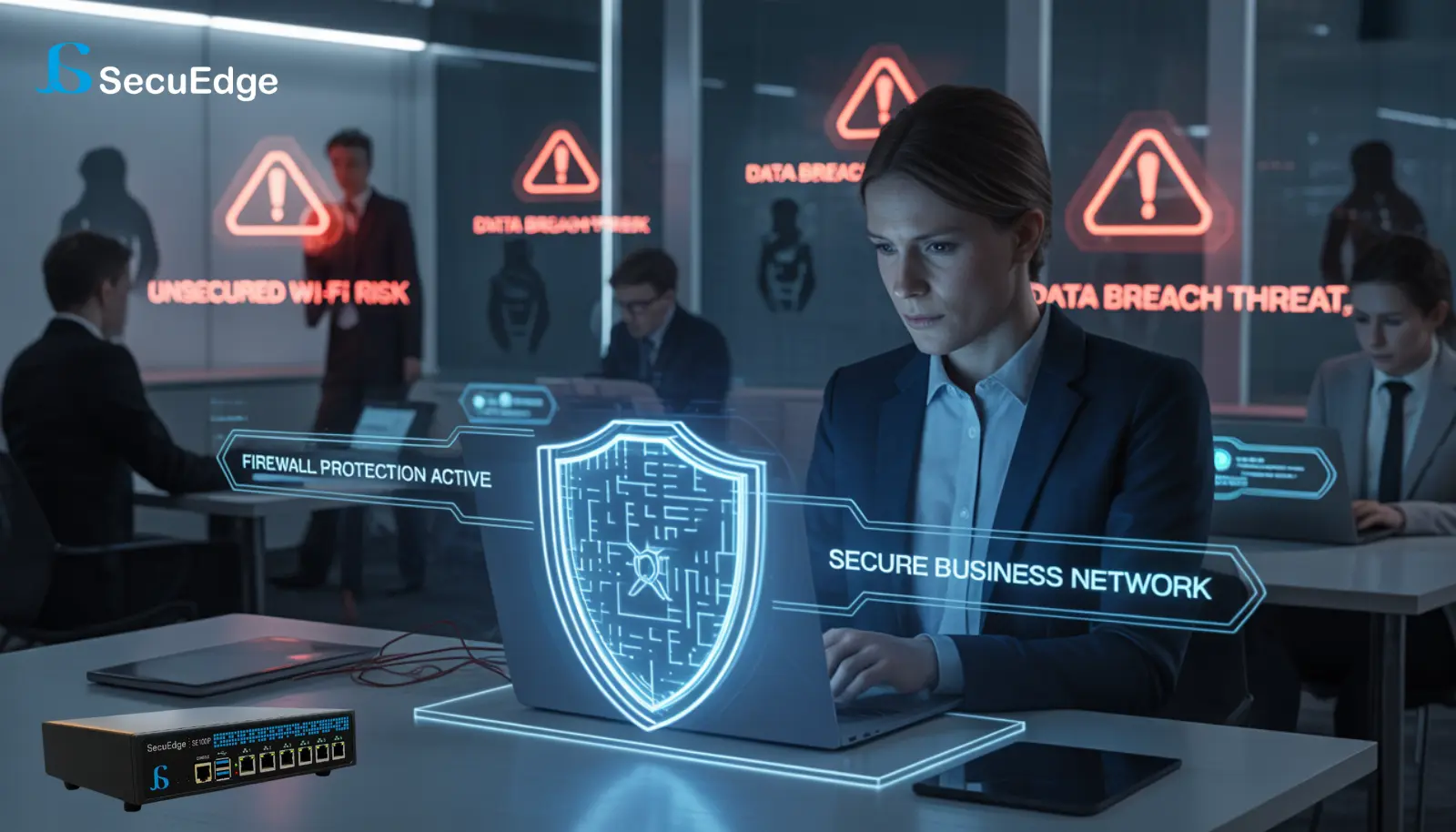
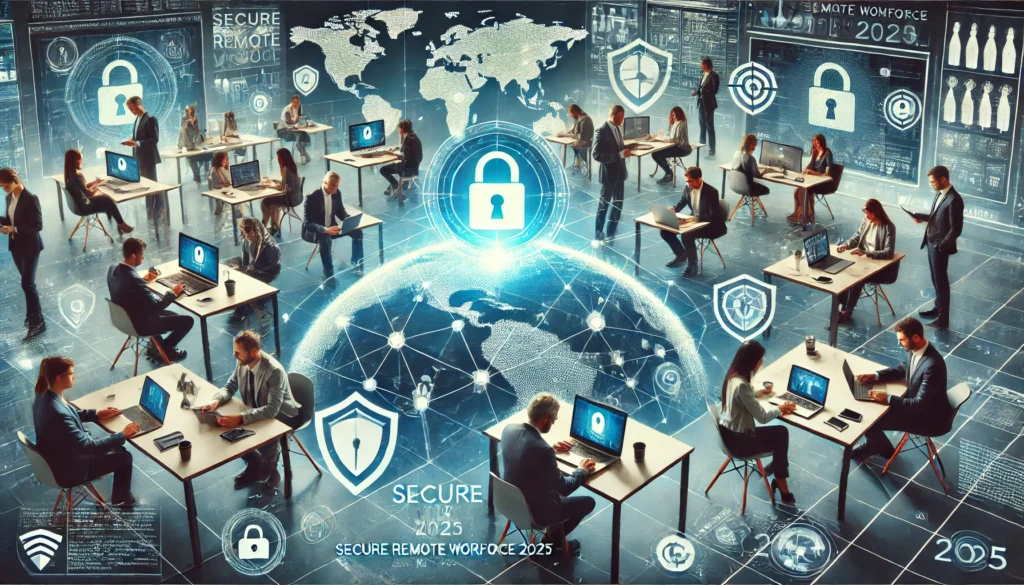
The shift to remote work has transformed the modern workplace, providing flexibility and efficiency for employees and employers alike. However, remote work also introduces unique cybersecurity challenges, from unsecured home networks to data privacy concerns. As we approach 2025, it’s essential to implement robust measures to secure your remote workforce. Here’s what you need to know.
1. Adopt a Zero-Trust Security Model
In a zero-trust model, no one is trusted by default—whether inside or outside your network. Every access request is verified, making this approach ideal for securing remote teams.
- Verify Identities: Use multi-factor authentication (MFA) for all users.
- Least Privilege Access: Provide employees access only to the resources they need.
2. Secure Endpoint Devices
With employees working from personal or company devices, endpoint security is critical. Protect devices from malware, phishing, and other cyber threats with these measures:
- Install Endpoint Protection Software: Use antivirus and anti-malware tools.
- Encrypt Devices: Ensure all devices have full-disk encryption enabled.
SecuEdge offers advanced endpoint protection integrated with our firewall solutions, ensuring seamless security for remote teams.
3. Use Virtual Private Networks (VPNs)
A VPN encrypts internet connections, allowing remote employees to access company systems securely. This is especially important for those working from public or unsecured networks.
- Encrypt Traffic: Protect data in transit from interception.
- Mask IP Addresses: Prevent attackers from identifying your network.
4. Implement Secure Collaboration Tools
Collaboration tools like video conferencing and file-sharing platforms are vital for remote work. However, they can be exploited if not properly secured.
- Enable End-to-End Encryption: Ensure all communication is encrypted.
- Restrict Access: Only invite verified users to meetings and shared folders.
5. Monitor and Manage Employee Activity
Continuous monitoring helps detect unusual activities that could signal a cyber threat. Use advanced monitoring tools to secure your organization.
- Real-Time Alerts: Detect suspicious login attempts or file transfers.
- Audit Logs: Maintain records of access and activity for compliance.
6. Educate Your Remote Workforce
Human error is a leading cause of cybersecurity breaches. Train your employees on best practices for remote work security.
- Recognize Phishing: Teach employees how to spot phishing emails.
- Secure Passwords: Use password managers to store and generate strong passwords.
"Cybersecurity awareness is your first line of defense. An educated workforce is key to mitigating risks."
Comparison: Secure vs. Insecure Remote Workforces
Here’s a comparison of the potential risks faced by insecure remote workforces and the benefits of implementing robust security measures:
| Factor | Insecure Workforce | Secure Workforce |
|---|---|---|
| Data Breaches | High Risk | Low Risk |
| Downtime | Frequent disruptions | Minimal disruptions |
| Employee Productivity | Decreased | Optimized |
Final Thoughts
Securing a remote workforce is not optional—it’s a necessity in 2025 and beyond. By adopting zero-trust models, securing devices, and educating employees, businesses can thrive in the era of remote work. SecuEdge provides cutting-edge cybersecurity solutions, including firewalls and endpoint protection, to secure your remote operations.
Contact SecuEdge today to ensure your remote workforce stays secure and productive.