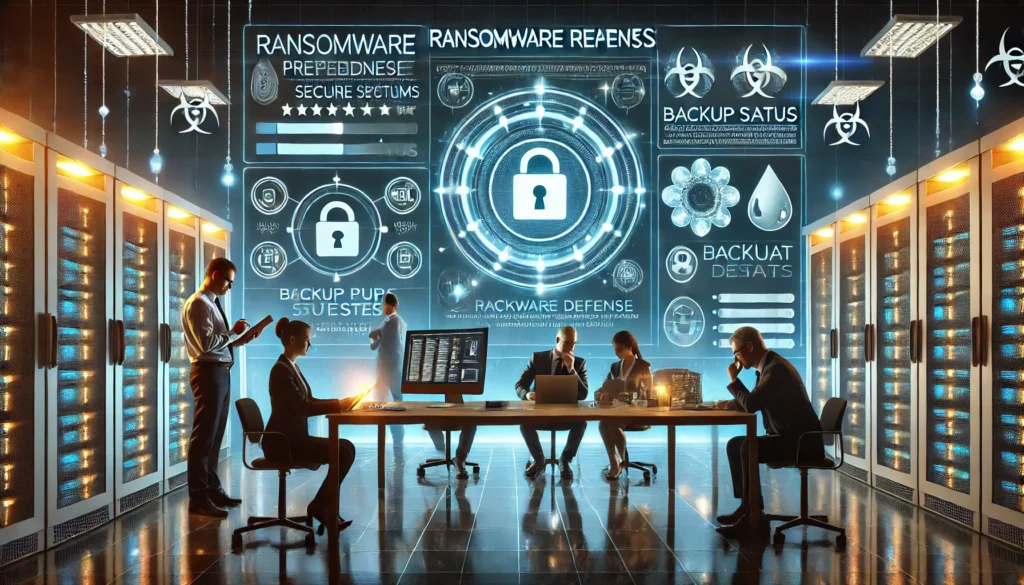
Ransomware attacks are on the rise, targeting businesses of all sizes. These attacks can lock you out of critical systems, encrypt valuable data, and demand exorbitant payments for recovery. The real question is: Is your business prepared to handle such an attack? Here’s what you need to know to assess your readiness and ensure you’re protected against ransomware.
1. Understanding Ransomware
Ransomware is a type of malware that encrypts your files and systems, rendering them inaccessible until a ransom is paid. The effects of these attacks can be devastating, from financial losses to reputational damage.
- Types of Ransomware: Locker ransomware locks access to systems, while crypto-ransomware encrypts files.
- Delivery Methods: Phishing emails, malicious links, and software vulnerabilities.
2. Assessing Your Business’s Vulnerability
How vulnerable is your business to ransomware attacks? Here are some common risk factors to evaluate:
- Unpatched Software: Systems with outdated security patches are a prime target.
- Weak Security Policies: Lack of multi-factor authentication and employee training increases risk.
- Absence of Backups: Without proper backups, recovery from ransomware is nearly impossible.
3. Building a Ransomware Defense Plan
Defending against ransomware requires a proactive approach. Here are essential steps to include in your defense plan:
- Implement Advanced Firewalls: Solutions like SecuEdge firewalls can block malicious traffic and detect suspicious activity.
- Regularly Update Systems: Ensure all software and hardware are up to date with the latest patches.
- Conduct Employee Training: Teach employees how to recognize phishing emails and avoid unsafe links.
4. Backups: Your Ultimate Safety Net
Frequent and secure backups are your best defense against ransomware. In the event of an attack, you can restore your data without paying the ransom.
- Automate Backups: Use automated systems to back up data daily.
- Use the 3-2-1 Rule: Keep 3 copies of your data, on 2 different media, with 1 stored offsite.
- Encrypt Backups: Ensure backups are protected to prevent ransomware from targeting them.
"Businesses that regularly back up data recover from ransomware attacks 90% faster than those that don’t."
5. Testing Your Readiness
It’s not enough to have a plan—you need to test it. Regular testing ensures that your systems and employees are prepared to handle a ransomware attack.
- Simulated Attacks: Conduct mock ransomware attacks to identify gaps in your defenses.
- Review Recovery Time: Test how quickly your team can restore operations using backups.
- Update Plans: Adjust your ransomware defense plan based on test results.
Are You Ready? A Quick Checklist
Use this checklist to evaluate your ransomware readiness:
| Action | Status |
|---|---|
| Installed Advanced Firewalls | |
| Enabled Regular Backups | |
| Trained Employees on Cybersecurity |
Final Thoughts
Ransomware is a serious threat, but with the right preparation, your business can avoid becoming a victim. By implementing advanced firewalls, regular backups, and robust training programs, you can protect your operations and data. SecuEdge offers cutting-edge cybersecurity solutions designed to safeguard your business from ransomware and other threats.
Contact SecuEdge today to strengthen your ransomware defenses and ensure your business is always prepared.