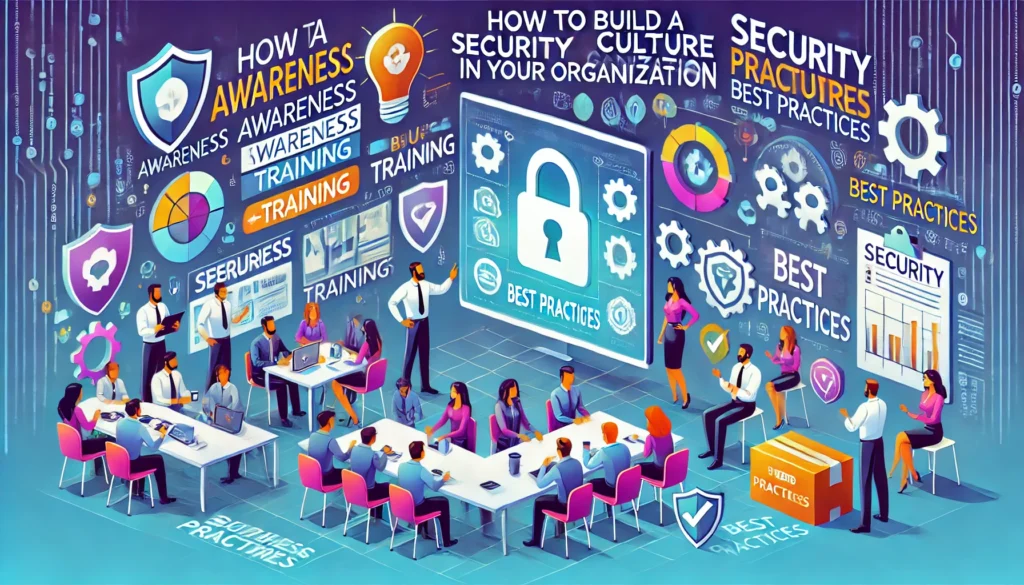
In today’s evolving cybersecurity landscape, technology alone cannot protect your organization. Building a strong security culture is essential to empower employees to recognize and mitigate threats effectively. Security culture ensures that everyone in your organization, from executives to interns, understands their role in safeguarding sensitive information. Here’s how you can create a security-first mindset within your organization.
1. Lead by Example
Security starts at the top. Leadership must prioritize and actively participate in cybersecurity initiatives. When management demonstrates a commitment to security practices, employees are more likely to follow suit.
- Hold regular leadership meetings to discuss cybersecurity goals and progress.
- Showcase leadership participation in security training sessions.
2. Provide Ongoing Security Training
Training employees is the cornerstone of a strong security culture. Ensure all staff understand the latest threats, how to identify phishing attempts, and best practices for handling sensitive data.
- Conduct quarterly cybersecurity awareness sessions.
- Use phishing simulations to test employee responses and provide feedback.
3. Establish Clear Security Policies
Documented security policies provide employees with a roadmap for handling sensitive information. Make these policies easily accessible and ensure they cover topics like password management, remote work protocols, and acceptable use of company devices.
- Ensure policies are written in simple, jargon-free language.
- Regularly update policies to align with evolving threats.
4. Foster Open Communication
Encourage employees to report security concerns or suspicious activities without fear of reprisal. An open-door policy builds trust and ensures timely reporting of potential threats.
- Set up a dedicated channel for employees to report incidents anonymously.
- Celebrate employees who proactively address security risks.
5. Implement Advanced Security Tools
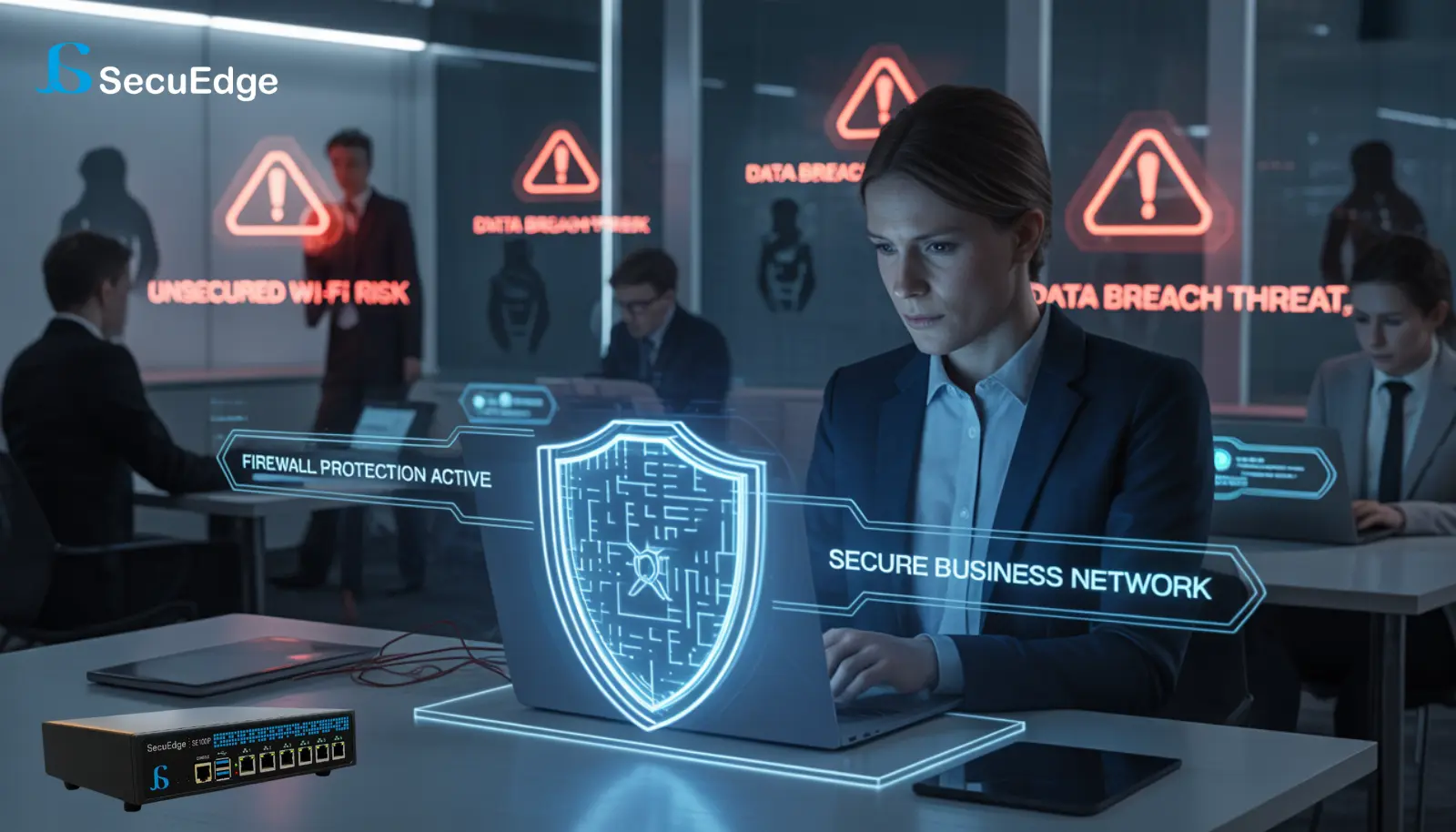
Technology plays a vital role in supporting a security culture. Tools like firewalls, endpoint protection, and access control systems help reinforce your security efforts. SecuEdge’s advanced firewall solutions ensure your organization is protected from threats while empowering employees to work securely.
- Use multi-factor authentication (MFA) to secure access to sensitive systems.
- Enable real-time monitoring and alerts for potential breaches.
6. Recognize and Reward Secure Behavior
Positive reinforcement goes a long way in sustaining a security culture. Recognize employees who demonstrate secure behavior and contribute to safeguarding company assets.
- Introduce a "Security Champion" award to motivate employees.
- Offer small incentives for completing training modules or reporting threats.
7. Measure and Improve Continuously
Building a security culture is an ongoing process. Regularly assess your efforts, gather employee feedback, and make improvements as needed.
| Area | Key Metrics |
|---|---|
| Training Participation | Percentage of employees completing training modules. |
| Incident Response | Time taken to report and resolve security incidents. |
| Policy Adherence | Number of reported violations or deviations from policies. |
Final Thoughts
Creating a security culture in your organization is not just about compliance—it’s about fostering a mindset that values protection and responsibility at every level. By combining employee awareness with advanced tools like SecuEdge’s firewalls, your organization can create a sustainable, secure environment.
Contact SecuEdge today to learn how we can support your security culture with cutting-edge solutions.