
In today’s hyper-connected world, your personal data is constantly being tracked, collected, and analyzed—often without your knowledge or consent. From social media platforms to surveillance cameras and online trackers, maintaining privacy has become a critical challenge. This guide offers practical strategies to safeguard your personal information in a world of constant surveillance.
1. Understand the Threats to Your Personal Data
Before you can protect your personal data, it’s essential to understand the risks. Many organizations and entities collect and store your data, making it vulnerable to breaches, misuse, or unauthorized tracking.
- Data Collection: Social media platforms, apps, and websites track your activities.
- Surveillance: Public cameras and tracking technologies monitor your movements.
- Data Breaches: Hackers target organizations that store sensitive personal data.
2. Use Strong Passwords and Multi-Factor Authentication
Your accounts are a gateway to your personal data. Protecting them with strong passwords and multi-factor authentication (MFA) adds a critical layer of security.
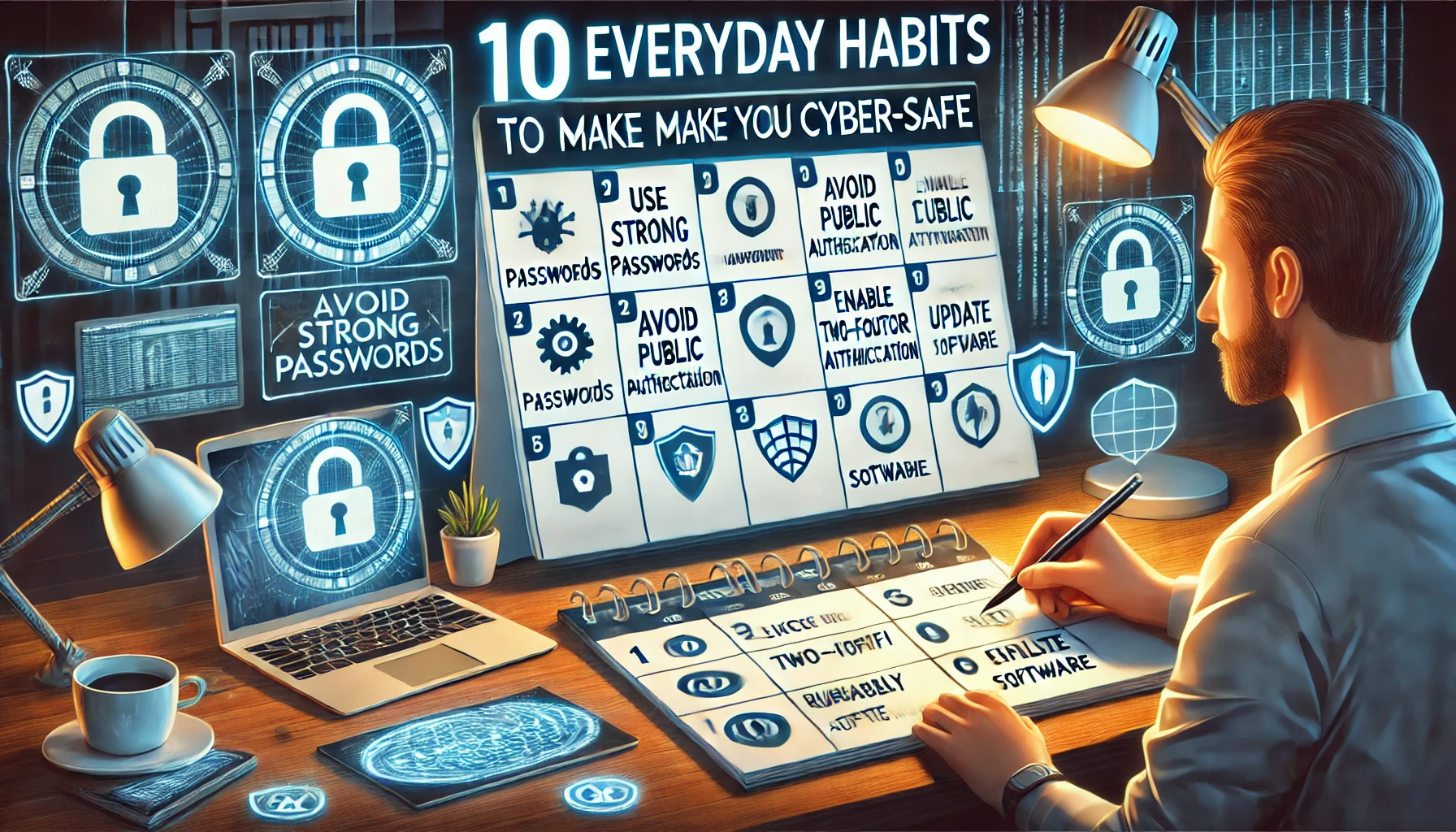
- Create Unique Passwords: Use a password manager to generate and store complex passwords.
- Enable MFA: Require a second form of verification, such as a code sent to your phone.
3. Limit Data Sharing on Social Media
Social media platforms are a major source of personal data collection. Limiting what you share reduces the risk of your information being used maliciously.
- Adjust Privacy Settings: Restrict who can see your posts and personal information.
- Avoid Oversharing: Refrain from sharing sensitive details, like your address or vacation plans.
"Over 60% of cyberattacks are linked to personal data exposed on social media."
4. Use Privacy-Focused Tools
Privacy-focused tools and technologies can help protect your online activities and reduce tracking.
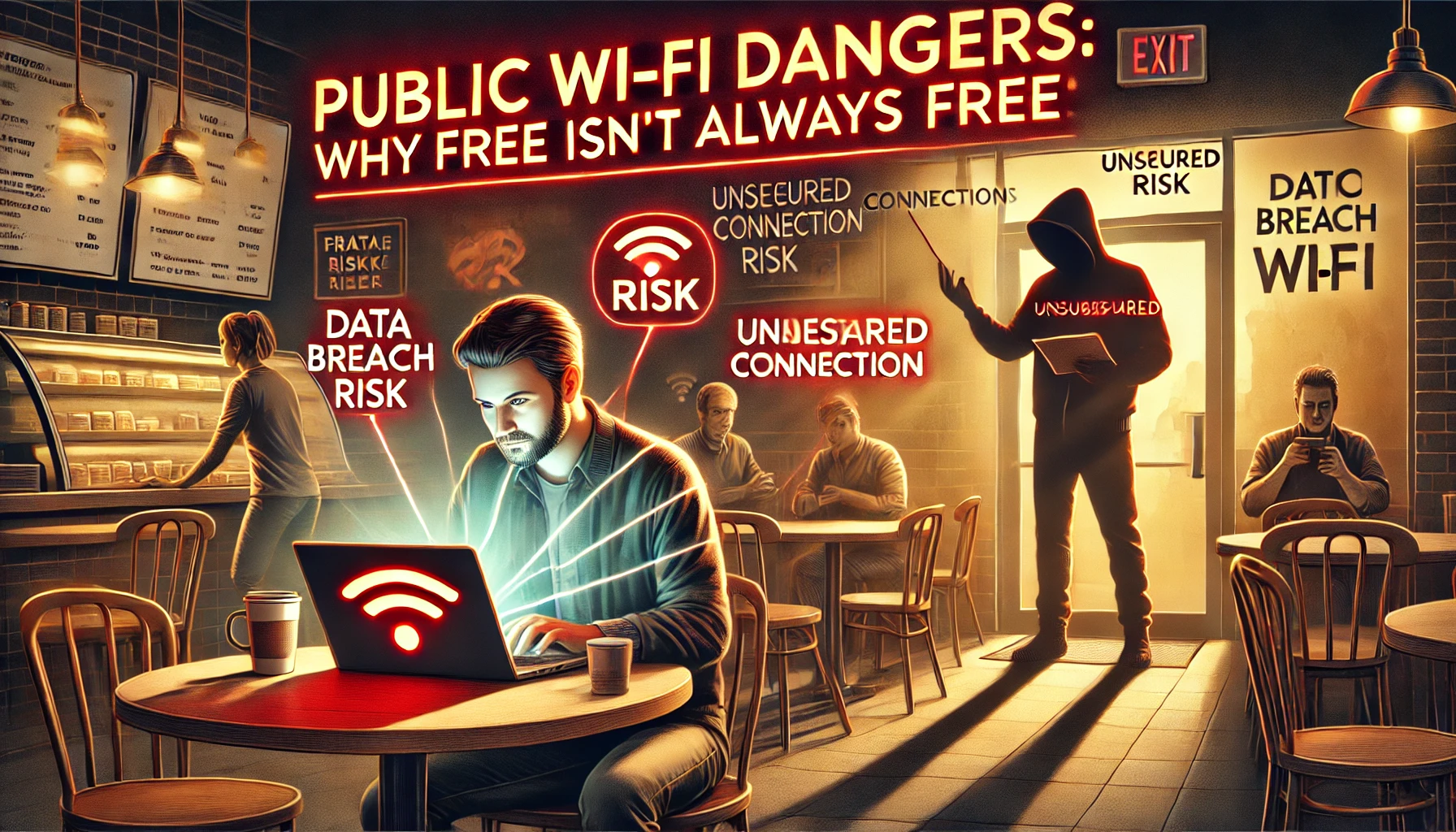
- VPN: Encrypts your internet traffic and hides your IP address from trackers.
- Secure Browsers: Use browsers like Firefox or Brave, which prioritize user privacy.
- Ad Blockers: Block trackers and intrusive advertisements.
5. Regularly Review and Delete Unnecessary Accounts
Every account you create is a potential point of vulnerability. Deleting unused accounts reduces the chances of your data being exposed in a breach.
- Audit Your Accounts: Make a list of all your accounts and delete ones you no longer use.
- Request Data Deletion: Some platforms allow you to request the deletion of your stored data.
6. Secure Your Devices
Your devices contain sensitive data and access to your accounts. Securing them is crucial to protecting your privacy.
- Enable Device Encryption: Encrypt your devices to protect stored data.
- Install Security Updates: Regularly update your device’s software to patch vulnerabilities.
- Use Anti-Malware Software: Protect against malicious programs that could steal your data.
Final Thoughts
In a world of constant surveillance, protecting your personal data requires vigilance and the right tools. By following these strategies, you can reduce your exposure and safeguard your privacy. Remember, your data is valuable—take steps today to keep it secure.
Explore how SecuEdge solutions can help you enhance your personal cybersecurity and protect your digital footprint. Contact us today to learn more.