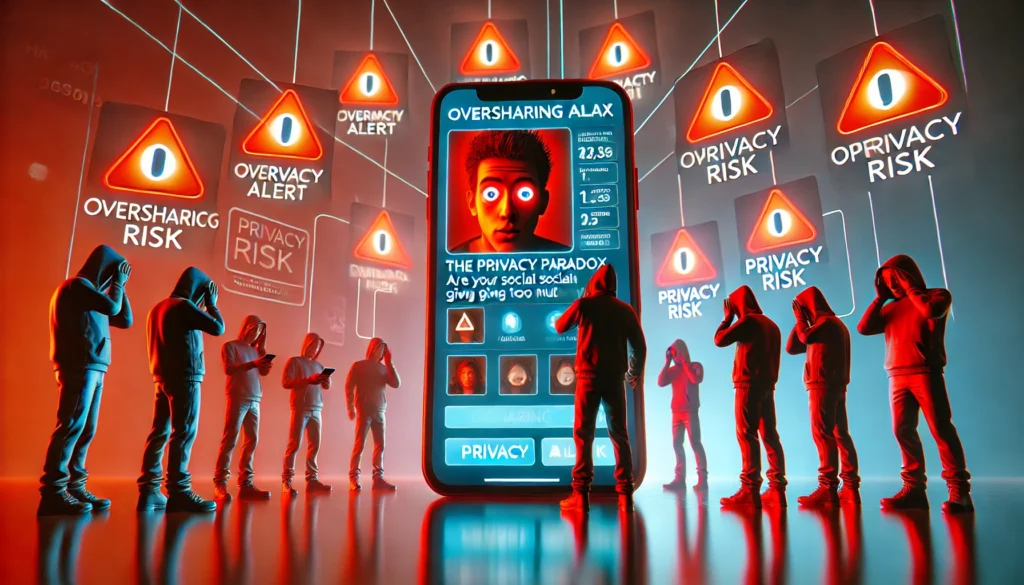
Social media has become a powerful tool for staying connected, but it comes with a hidden cost: your privacy. Every post, like, and share contributes to a digital profile that can be exploited by hackers, advertisers, and even identity thieves. This is the privacy paradox—balancing the benefits of social media with the risks of oversharing. Here’s how to protect yourself while staying connected.
1. Understand How Your Data Is Used
Social media platforms collect vast amounts of data about you, from your location and browsing habits to your personal preferences. This data is often shared with advertisers and can be exploited by bad actors.
- Advertisers: Use your data to target ads based on your interests and behavior.
- Hackers: May use publicly available information to craft phishing attacks.
- Data Brokers: Aggregate and sell your information to third parties.
2. Review Your Privacy Settings
Adjusting your privacy settings is one of the simplest ways to control who can see your information and limit data sharing on social media platforms.
- Limit Visibility: Restrict your profile to friends or followers you trust.
- Disable Location Sharing: Turn off location tags on posts and photos.
- Opt-Out of Data Sharing: Check platform settings to disable sharing with third-party apps.
3. Be Mindful of What You Share
Oversharing personal details on social media can inadvertently expose you to risks like identity theft or physical theft.
- Avoid Sharing: Sensitive details such as your address, phone number, or financial information.
- Delay Posts: Wait to post vacation photos until you return home to avoid signaling an empty house.
"A recent study found that 40% of identity theft cases were linked to information shared on social media."
4. Watch Out for Phishing and Fake Profiles
Hackers often use social media to launch phishing attacks or create fake profiles to collect personal information.
- Verify Profiles: Be cautious about accepting friend requests from unknown individuals.
- Avoid Clicking Suspicious Links: Messages or posts with unfamiliar links may lead to malicious websites.
5. Use Strong Security Practices
Protect your accounts with strong passwords and additional layers of security to prevent unauthorized access.
- Enable Two-Factor Authentication (2FA): Require a second form of verification to log in.
- Use Unique Passwords: Avoid reusing passwords across multiple accounts.
6. Regularly Audit Your Digital Footprint
Take time to review your social media presence and remove old posts or information that could expose you to risk.
- Delete Outdated Information: Remove old posts that reveal personal details.
- Check App Permissions: Revoke access for apps you no longer use.
Final Thoughts
Social media offers incredible opportunities to connect, but it’s important to stay vigilant about your privacy. By adjusting your settings, limiting what you share, and practicing strong security habits, you can enjoy social media without sacrificing your personal information. Remember, protecting your privacy is an ongoing process.
For advanced tools and resources to enhance your online privacy, explore SecuEdge solutions. Contact us today to learn more about how we can help secure your digital life.