Hackers are experts at uncovering vulnerabilities that businesses often overlook. They exploit gaps in your cybersecurity defenses, employee practices, and even physical infrastructure to breach your systems. In this article, we’ll explore what hackers already know about your business, why it matters, and how to safeguard your organization against their tactics.
1. Your Weak Passwords
Hackers have access to massive databases of stolen credentials and use sophisticated tools to crack weak passwords. Businesses with simple, reused, or default passwords are especially vulnerable.
- Common Mistakes: Using “123456” or “password” for critical accounts.
- Solution: Require employees to use strong, unique passwords and enable multi-factor authentication (MFA).
2. Your Outdated Software
Hackers know which software versions have known vulnerabilities. If your business relies on outdated systems or delays updates, you’re leaving the door wide open for an attack.
- Common Risks: Unsupported operating systems and unpatched software.
- Solution: Regularly update all systems and use automated patch management tools.
"Outdated software is responsible for nearly 60% of all cyber breaches in 2024."
3. Your Employees’ Habits
Hackers know that human error is often the easiest way into a business. Employees who aren’t trained in cybersecurity best practices may inadvertently click on phishing links or mishandle sensitive data.
- Risky Behaviors: Clicking on suspicious emails, downloading unverified software, or sharing passwords.
- Solution: Conduct regular cybersecurity training and simulations to increase awareness.
4. Your Unsecured Endpoints
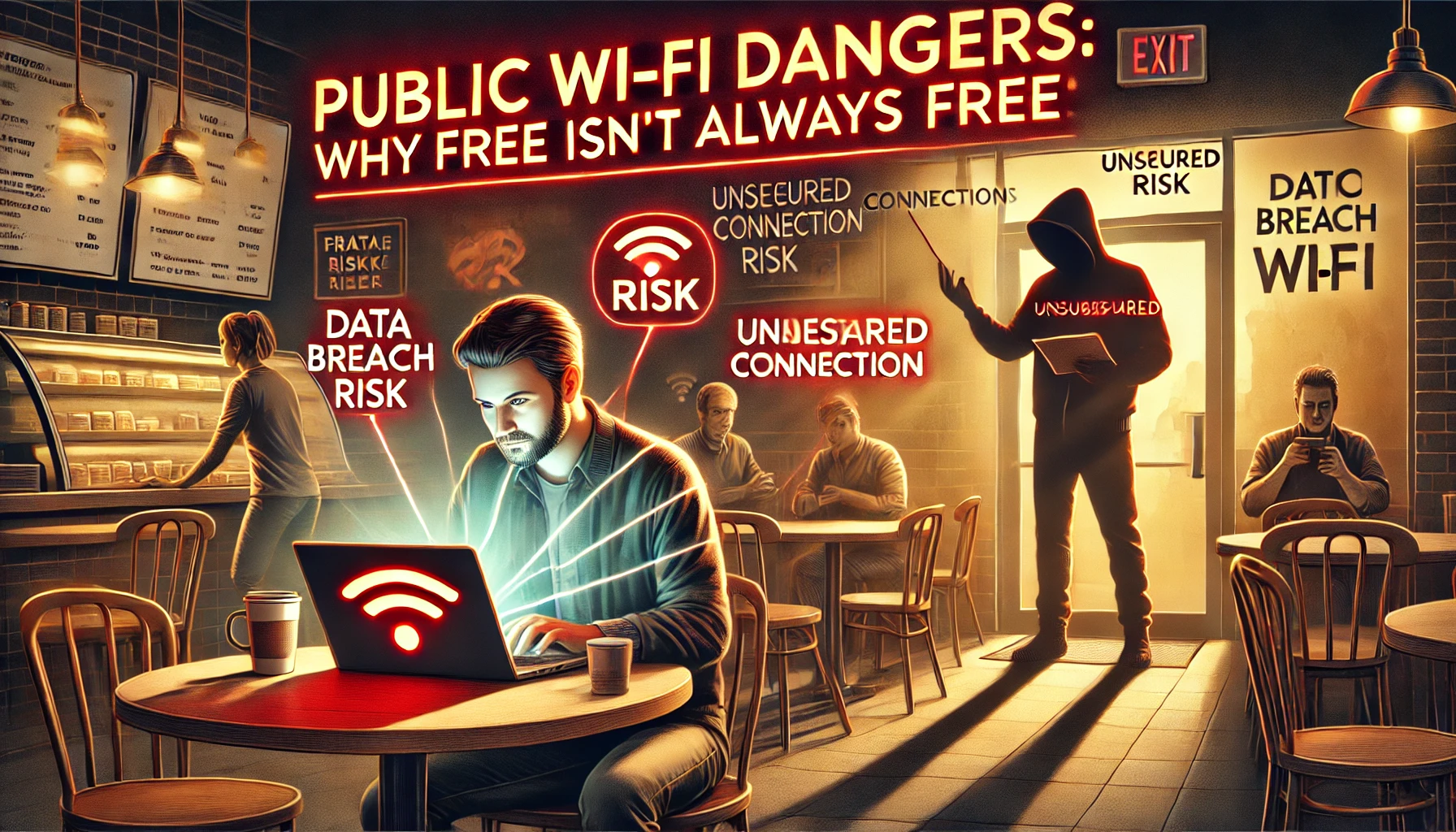
With the rise of remote work, hackers target unsecured endpoints like personal devices and home networks. Without proper security protocols, these endpoints can compromise your entire network.
- Common Issues: Unencrypted devices, weak Wi-Fi passwords, and lack of endpoint protection.
- Solution: Deploy endpoint protection solutions and enforce encryption on all devices.
5. Your Publicly Available Information
Hackers scour public data sources, such as your website, social media, and press releases, to gather intelligence. They use this information to craft highly targeted phishing attacks or impersonate your business.
- Examples: Employee names, job titles, email addresses, and vendor relationships.
- Solution: Limit the amount of sensitive information shared publicly and regularly monitor your digital footprint.
How to Stop Hackers in Their Tracks
Stopping hackers requires a combination of technology, training, and vigilance. Here’s a summary of key steps businesses can take:
| Action | Benefit |
|---|---|
| Enable Multi-Factor Authentication | Prevents unauthorized access even if passwords are compromised. |
| Regularly Update Systems | Closes vulnerabilities in software and hardware. |
| Train Employees | Reduces human errors that lead to breaches. |
Final Thoughts
Hackers are constantly looking for weaknesses in your business, but you don’t have to be an easy target. By addressing vulnerabilities, training your team, and implementing robust security measures, you can protect your business. With SecuEdge firewalls and advanced security solutions, you can stay one step ahead of cybercriminals.
Contact SecuEdge today to learn how we can help secure your business and stop hackers in their tracks.