Why Small Businesses Are the Prime Targets for Hackers
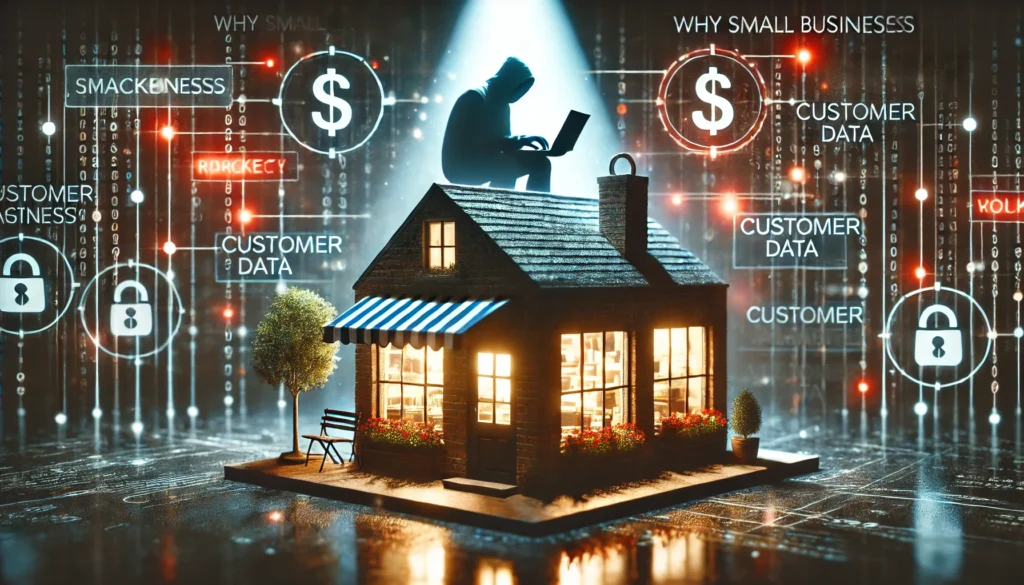
Small businesses are increasingly becoming the favorite targets for hackers. Many assume that their size makes them insignificant in the eyes of cybercriminals, but the opposite is true. Hackers know small businesses often lack robust security measures, making them easy prey. Here’s why small businesses are at greater risk and how they can protect themselves effectively.
1. Limited Cybersecurity Budgets
Small businesses often operate on tight budgets, leaving little room for comprehensive cybersecurity solutions. This financial limitation makes them appealing to hackers who exploit weak or outdated systems.
- Challenges: Many small businesses lack firewalls, endpoint protection, or even basic encryption.
- Impact: The cost of a breach often far exceeds the expense of preventive measures.
2. Perception of Being Low-Risk
Hackers know small businesses often perceive themselves as low-risk targets. This false sense of security leads to lax security protocols, making them an easy entry point for attackers.
- Reality: Cybercriminals target small businesses precisely because they are less likely to be prepared.
- Statistics: 43% of cyberattacks are aimed at small businesses, but only 14% are prepared to defend themselves.
"Hackers know small businesses often lack resources for robust cybersecurity, making them low-hanging fruit in the digital world."
3. Valuable Data at Stake
Small businesses may not hold vast amounts of sensitive data, but they often store valuable customer information, payment details, and proprietary data. Hackers target this data for financial gain or to sell on the dark web.
- Types of Data at Risk: Credit card details, employee records, and intellectual property.
- Consequences: Loss of customer trust and potential legal liabilities.
4. Lack of Employee Training
Employees are often the weakest link in cybersecurity. Small businesses may overlook the importance of training their staff to recognize threats like phishing emails, social engineering, and ransomware attacks.
- Human Error: Untrained employees may click on malicious links or download harmful attachments.
- Impact: A single mistake can compromise an entire network.
5. Connections to Larger Enterprises
Hackers often use small businesses as stepping stones to larger targets. By compromising a small business, attackers gain access to larger companies through vendor relationships or supply chain links.
- Supply Chain Attacks: Breaching a small vendor can open doors to larger corporations.
- Example: In 2021, a major retailer was hacked via a small third-party vendor.
How Small Businesses Can Protect Themselves
Proactive measures can significantly reduce the risk of cyberattacks. Here are some steps small businesses can take to protect themselves:
| Action | Benefit |
|---|---|
| Invest in Advanced Firewalls | Blocks unauthorized access and prevents malware infiltration. |
| Conduct Regular Security Training | Empowers employees to identify and avoid potential threats. |
| Implement Data Backups | Ensures quick recovery from ransomware or data loss. |
Final Thoughts
Hackers target small businesses because they are perceived as easy targets. By investing in robust cybersecurity solutions like SecuEdge firewalls, educating employees, and adopting proactive measures, small businesses can protect themselves from becoming victims of cyberattacks.
Contact SecuEdge today to learn how our affordable, advanced firewall solutions can secure your small business from the growing threat of cyberattacks.