
Your Business Is a Target: Find Out Why Hackers Want You
Every business, regardless of size or industry, is a potential target for hackers. Cybercriminals are constantly looking for opportunities to exploit vulnerabilities, and your business could be next. Understanding why hackers target businesses can help you take proactive measures to defend against attacks. Here’s what makes your business attractive to cybercriminals and how to protect it.
1. Valuable Data
Your business holds valuable data, including customer information, financial records, and proprietary assets. Hackers target this data to sell on the dark web or use it for identity theft and fraud.
- Commonly Stolen Data: Credit card numbers, login credentials, and personal identification details.
- Impact: Data breaches can result in lost revenue, lawsuits, and loss of customer trust.
2. Financial Gain
Hackers are often motivated by financial rewards. From ransomware attacks to fraudulent transactions, cybercriminals exploit businesses for monetary gain.
- Ransomware: Encrypts your files and demands payment to restore access.
- Phishing Scams: Trick employees into transferring money or revealing financial credentials.
"Cybercriminals earned over $20 billion from ransomware attacks in 2024 alone, with small and medium-sized businesses being prime targets."
3. Weak Security Measures
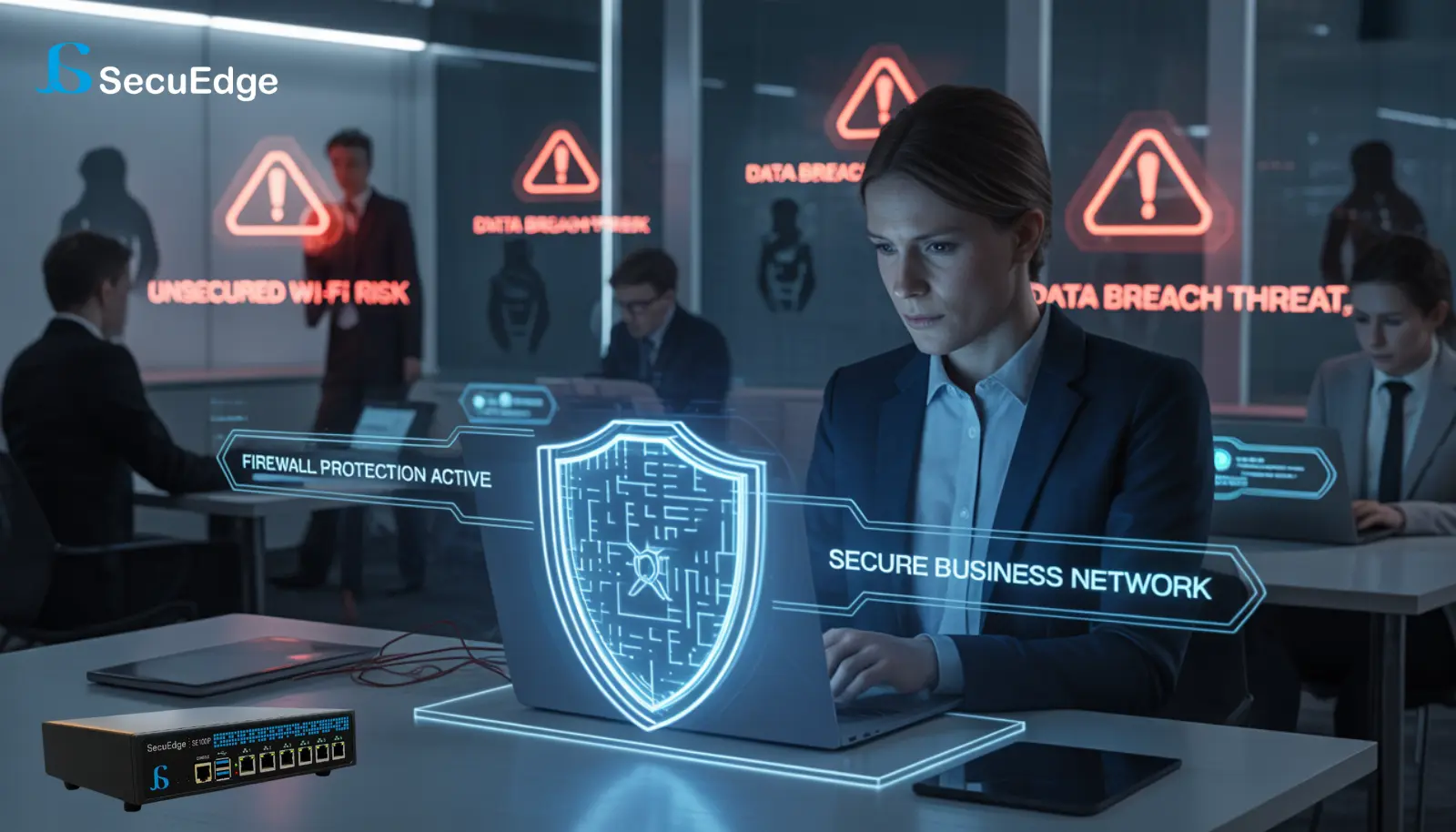
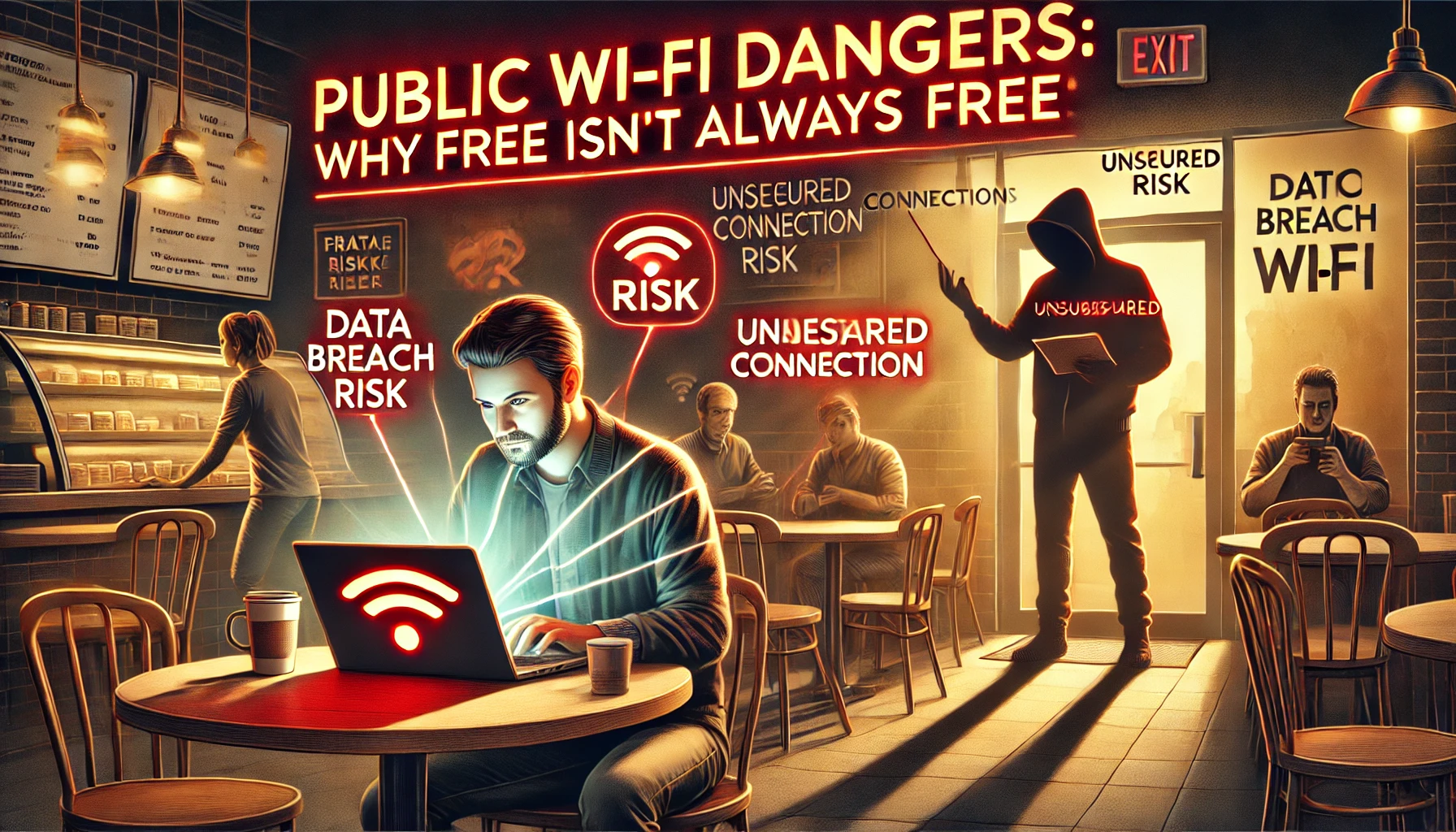
Hackers look for easy targets, and businesses with outdated or inadequate security measures are at the top of their list. Weak passwords, lack of encryption, and unsecured networks make businesses vulnerable.
- Common Vulnerabilities: Unpatched software, unsecured Wi-Fi networks, and untrained employees.
- Solution: Implement advanced firewalls and regular security audits.
4. Connections to Larger Targets
Many businesses are part of larger supply chains or partnerships. Hackers often exploit smaller businesses to gain access to larger enterprises.
- Example: A small vendor breach can lead to a large corporation being compromised.
- Risk: Your business may be viewed as the weak link in a secure supply chain.
5. High Reward, Low Risk
Hackers know that many businesses are unlikely to detect a breach quickly or pursue legal action. This creates an ideal environment for them to operate with minimal risk.
- Delayed Detection: The average time to detect a breach is over 200 days.
- Inadequate Responses: Many businesses lack incident response plans, allowing attackers to operate undetected.
How to Protect Your Business
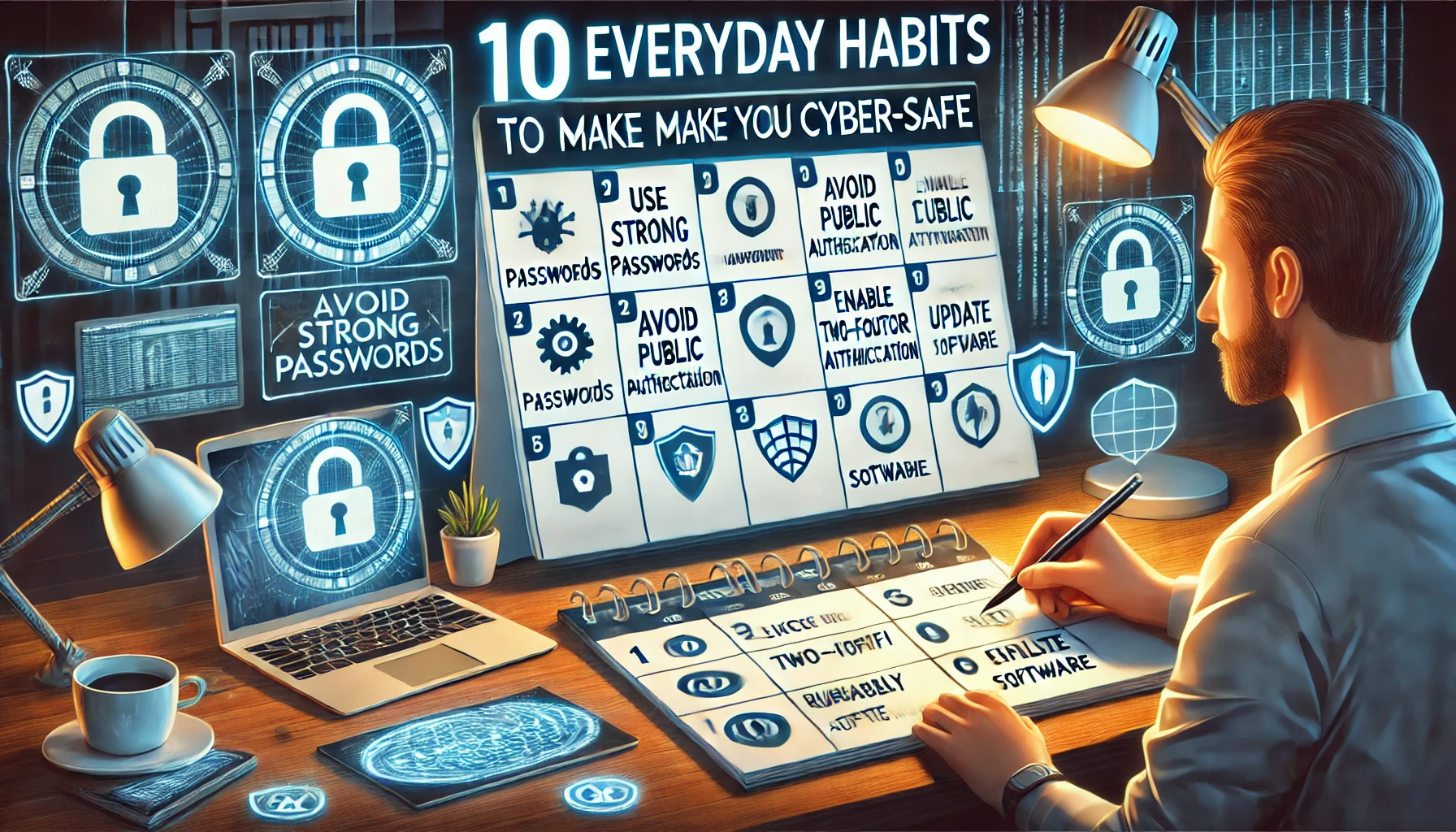
Protecting your business from cyber threats requires a proactive approach. Here are some essential steps you can take:
| Action | Benefit |
|---|---|
| Install Advanced Firewalls | Monitors and blocks malicious traffic, reducing vulnerability. |
| Conduct Employee Training | Educates staff on recognizing phishing and other threats. |
| Use Multi-Factor Authentication | Adds an extra layer of security to sensitive accounts. |
Final Thoughts
Hackers want your business for its data, finances, and connections. By understanding their motives and proactively implementing robust security measures, you can significantly reduce your risk. With SecuEdge, your business is protected by state-of-the-art firewall solutions and expert guidance tailored to your needs.
Contact SecuEdge today to secure your business and stay one step ahead of cybercriminals.